Bats Use Polarized Light to Figure Out Which Way to Fly Time

How the response of light-averse bats varies with light spectrum is not well known. Light avoidance by bats may depend on how well bats are able to see different light colours. Bat eyes are adapted to a dark environment, with a high rod/cone ratio in the retina compared to diurnal mammal species [39-42].
Bat sonar How do bats hear their prey? How It Works
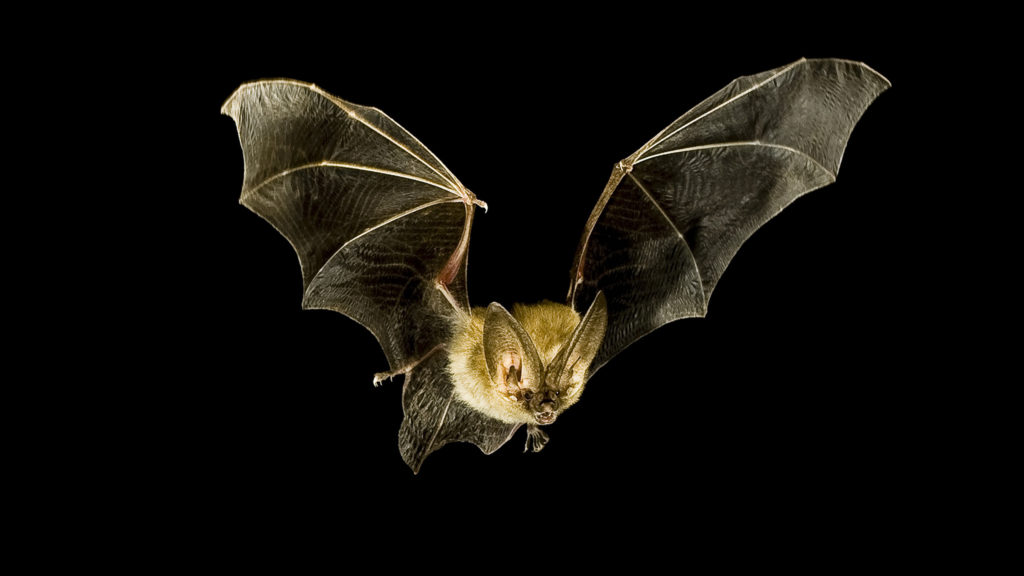
Despite the myth of their blindness, bats use their sight along with echolocation to understand their environment. Their eyes help them to see during the day and, to a lesser extent, during the night. Imagine being a bat, flitting through the forest on a moonless night. While many creatures are fast asleep, bats are wide awake and on the move.
Are Bats Really Blind? Live Science
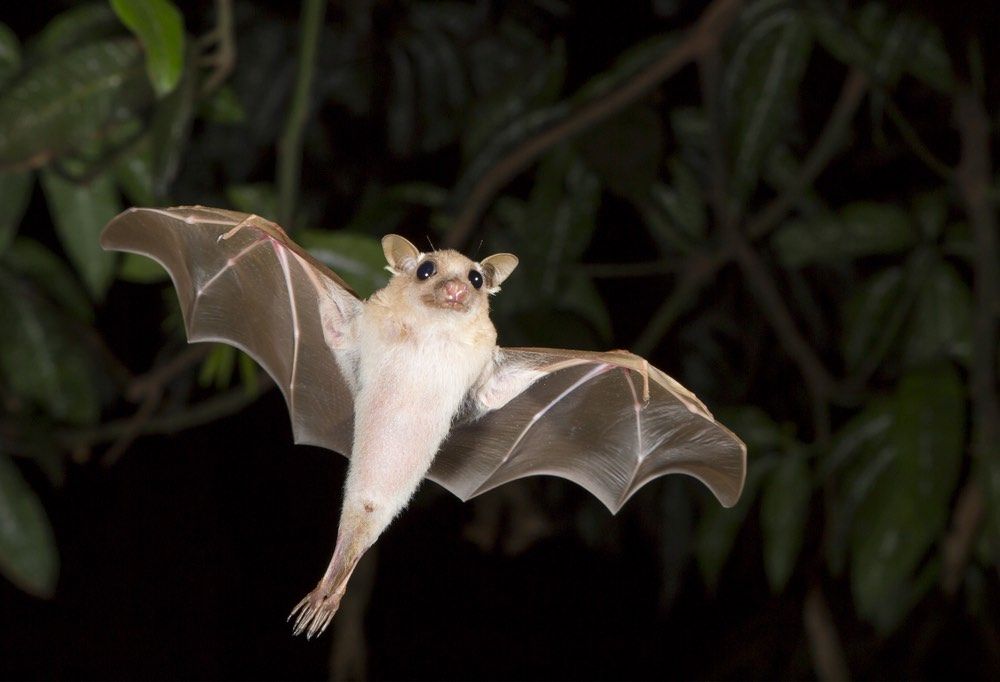
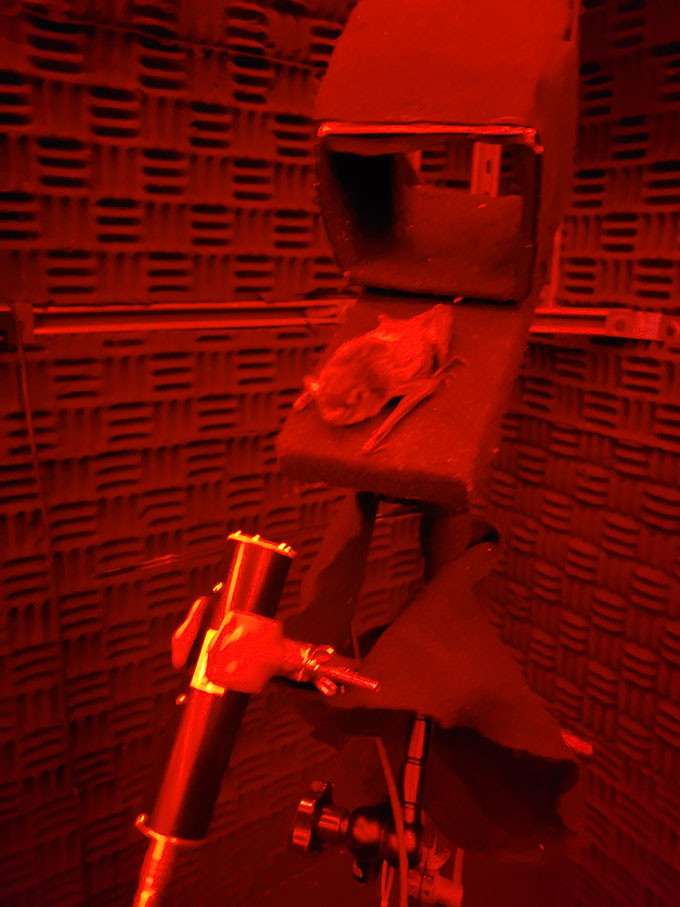
The red light allows the scientists to see when they work with bats. But the bats' eyes can't see red light, so they echolocate as if the room were totally dark. K. Allen. Inside a dark room lined with anti-echo foam, the bats sit in a box on a platform. They face the box's opening and echolocate toward an object in front of them.
How do bats see at night YouTube

Some bats can even see in color thanks to two light-sensitive proteins at the back of their eyes: S-opsin which detects blue and ultraviolet light and L-opsin which detects green and red light. Many species of bat, however, are missing one of these proteins and cannot distinguish any colors; in other words, they are completely color-blind. Some.
Some bats can detect ultraviolet light! Being able to see color in this

The misconception that bats are blind comes from their nocturnal nature and enhanced hearing abilities. Because they hunt mostly in the dead of night, when lighting conditions are, of course, very dark, bats rely on echolocation to pinpoint exact locations of prey. This ability does not, however, require or have any connection to blindness.
Here’s what bats ‘see’ when they explore the world with sound
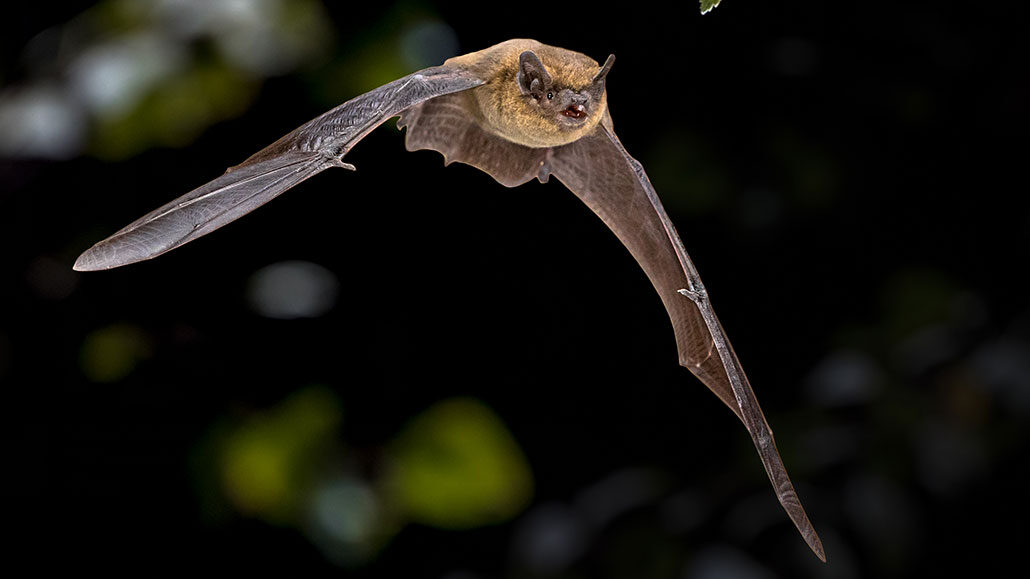
This enables bats to navigate the darkness with impressive precision, even in the absence of bright light. Some bat species possess an additional advantage: ultraviolet-sensitive cones. These miniature detectors can perceive invisible ultraviolet light, adding another layer of information to their visual perception. This can aid in navigation.
Bats 101
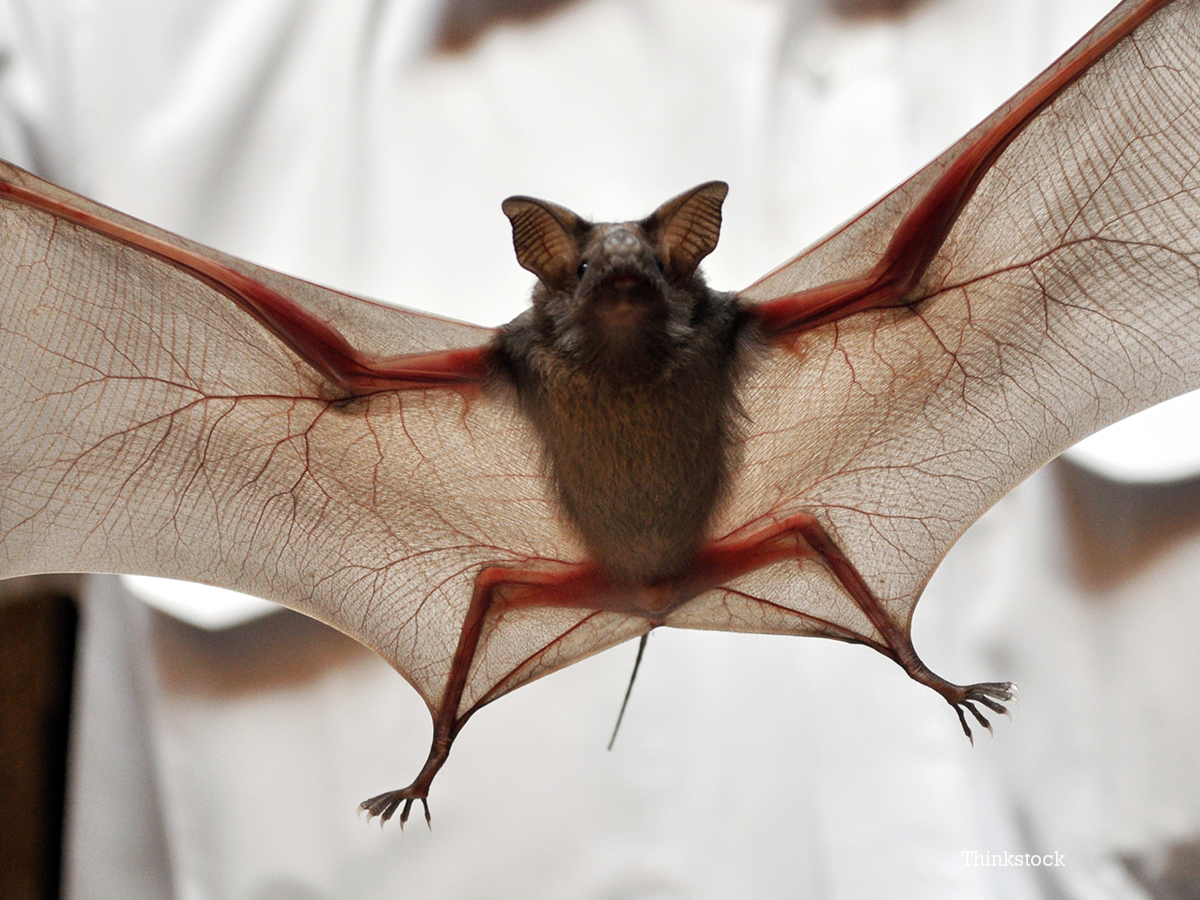
Many bats can use returning echoes to detect objects as fine as a human hair in total darkness. Bat brains map the echoes in a way that lets them home in on insects or avoid obstacles. Bats use of.
Bats flying in the light of the full moon Free Stock Video Mixkit

Bat can not see properly in bright light. As a result, they choose to stay in darker spaces. It is because they are more comfortable seeing in the dark. A light area might be filled with predators, and they might face unwanted circumstances. So, a place filled with light has the potential where a bat may face a hostile situation.
Stunning pictures show bats in their natural nighttime element, feeding

No, bats are not blind. Bats have small eyes with very sensitive vision, which helps them see in conditions we might consider pitch black. They don't have the sharp and colorful vision humans have, but they don't need that. Think of bat vision as similar to a dark-adapted Mr. Magoo (a cartoon character with very poor vision). Learn more at the USGS North American Bat Monitoring Program.
Are Bats Attracted to Light? (Quick Answers)
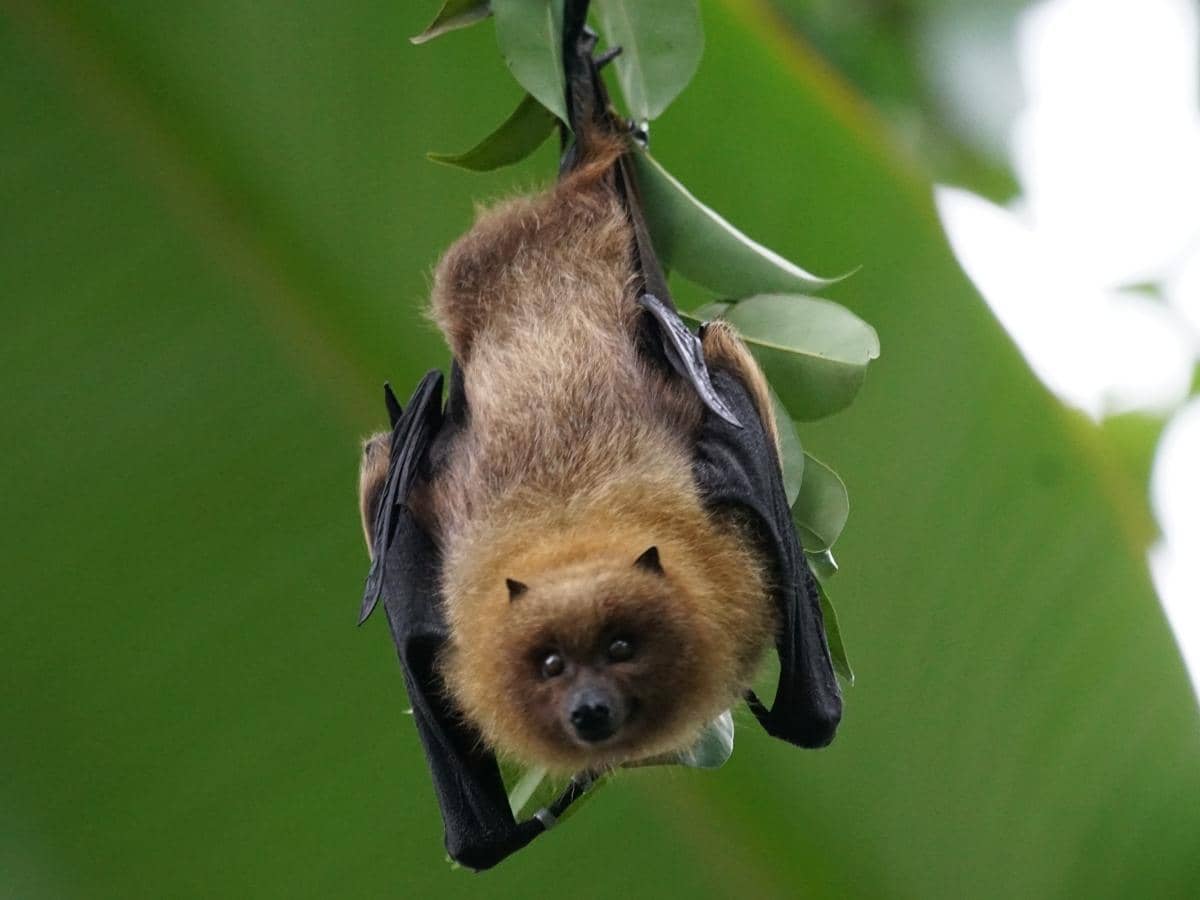
They find and catch their prey using pit organs and are one of the few mammals that can detect infrared light. It sounds frightening, but the bats are unlikely to feast on human blood, but they seek the blood of cows, pigs, horses, and birds. 24. Bullfrogs. Image Credit: Martin Hejzlar, Shutterstock.
What colors can bats see?

But that doesn't mean that bats can't see. Contrary to myth, bats aren't blind. In fact, research shows that depending on the circumstances, bats sometimes prefer using eyesight to sound when.
How Do Bats See? How Can Bats See? How Do Bats See in the Dark

Have you ever wondered if bats can see infrared light? It's a fascinating question that has intrigued researchers and bat enthusiasts alike. Bats are known for their exceptional night vision, but can they see beyond the visible spectrum? Let's delve into the world of bat vision and explore the truth behind their ability to perceive
Bat San Diego Zoo Animals & Plants
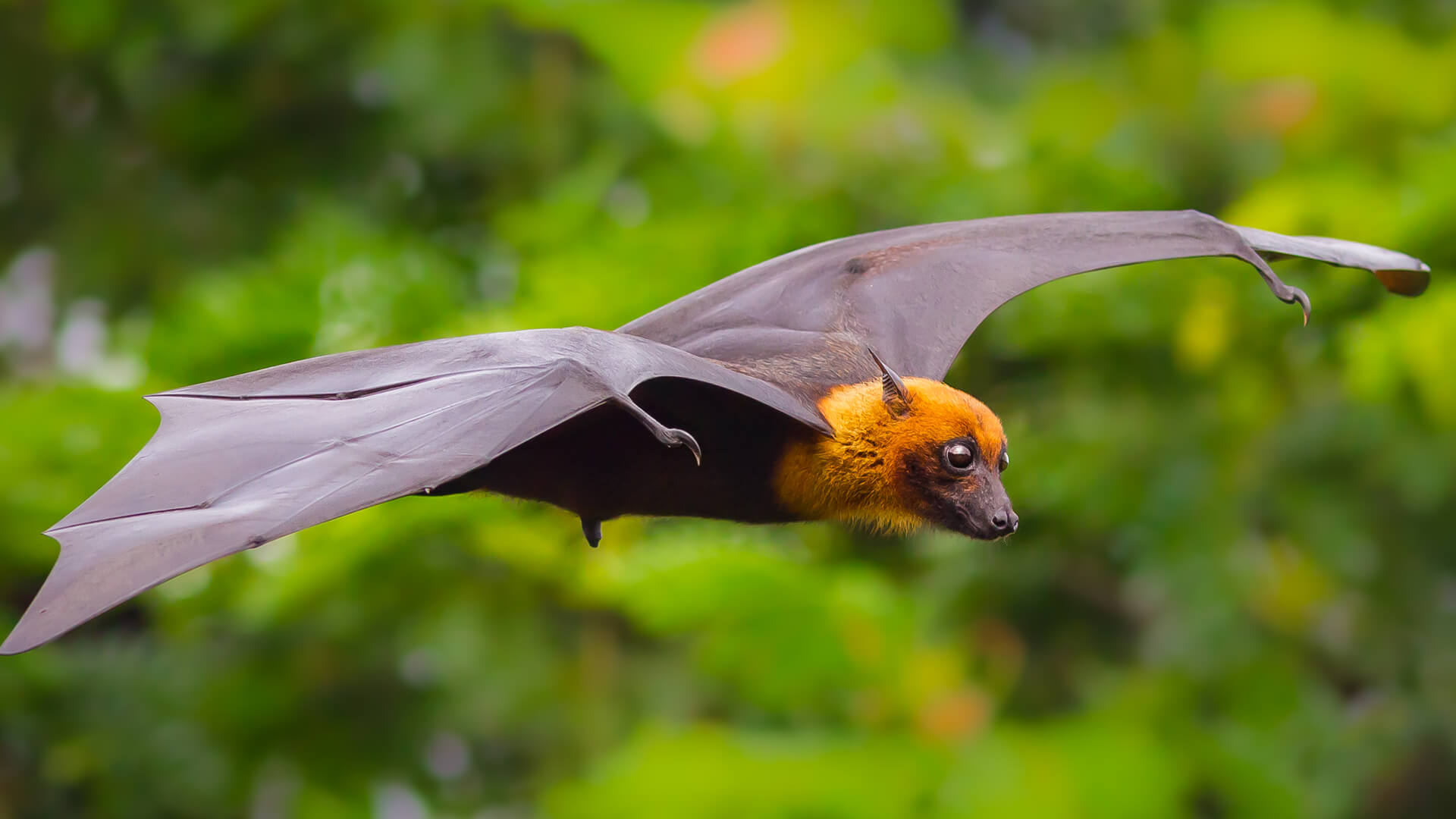
An opsin gene's job is to make the photosensitive retina proteins that can turn photons of light into sight to see particular wavelengths.. the authors confirmed that it gives bats the ability.
Bats Combine Echolocation And Vision To Rule The Skies
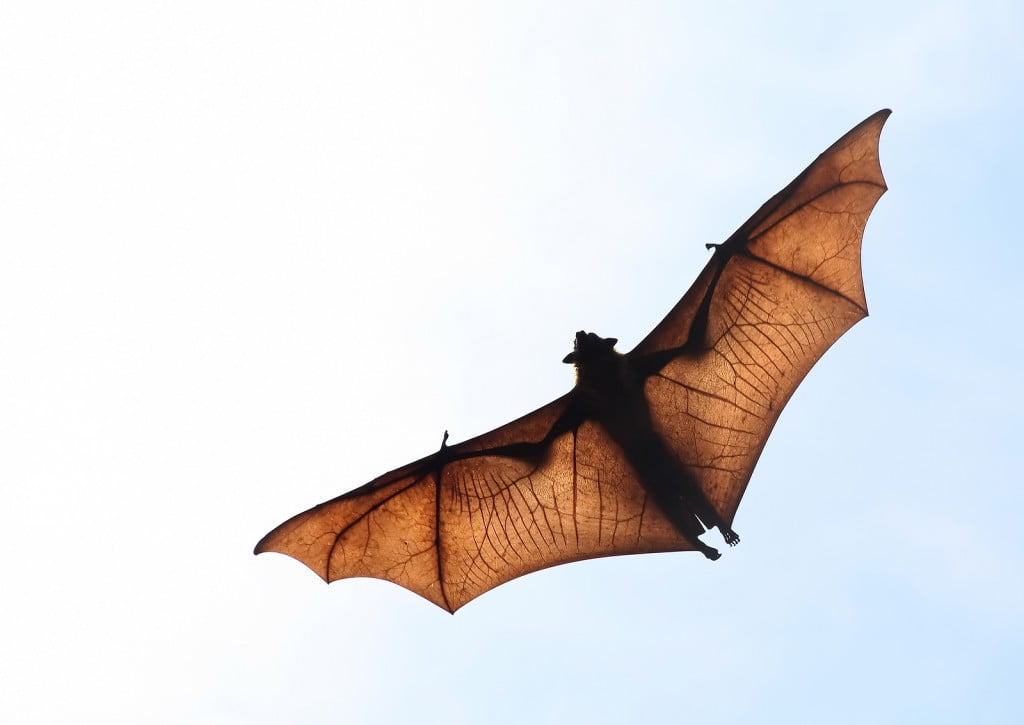
Bats are not blind and have excellent eyesight, especially in low light conditions. Many bat species use echolocation to find and target prey, emitting sounds up to 140 decibels. Bats also have magnetoreception, allowing them to sense Earth's magnetic fields and use them for navigation.
Here’s what bats ‘see’ when they explore the world with sound
Bats are not really blind, but they rely more on echolocation than vision. Learn how bats use their eyes for different purposes in this fascinating article from BBC Science Focus Magazine.
30 Adorable Facts About The Bumblebee Bat You Should Know
FULL STORY. Bats from Central and South American that live on the nectar from flowers can see ultraviolet light (Nature, 9. October 2003 p. 612-614). This was discovered by York Winter, a German.